Are the results of your work ever not as promised? Do you think the result is not the same as yesterday?
In order to ensure reproducible and correct results, it is necessary in each car paint shop to ensure that the materials are always used in accordance with the manufacturer's technical instructions.The materials are tested and the instructions are written to make the best use of the properties and advantages of each material.
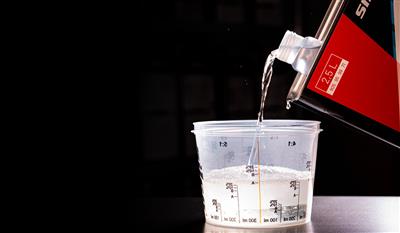
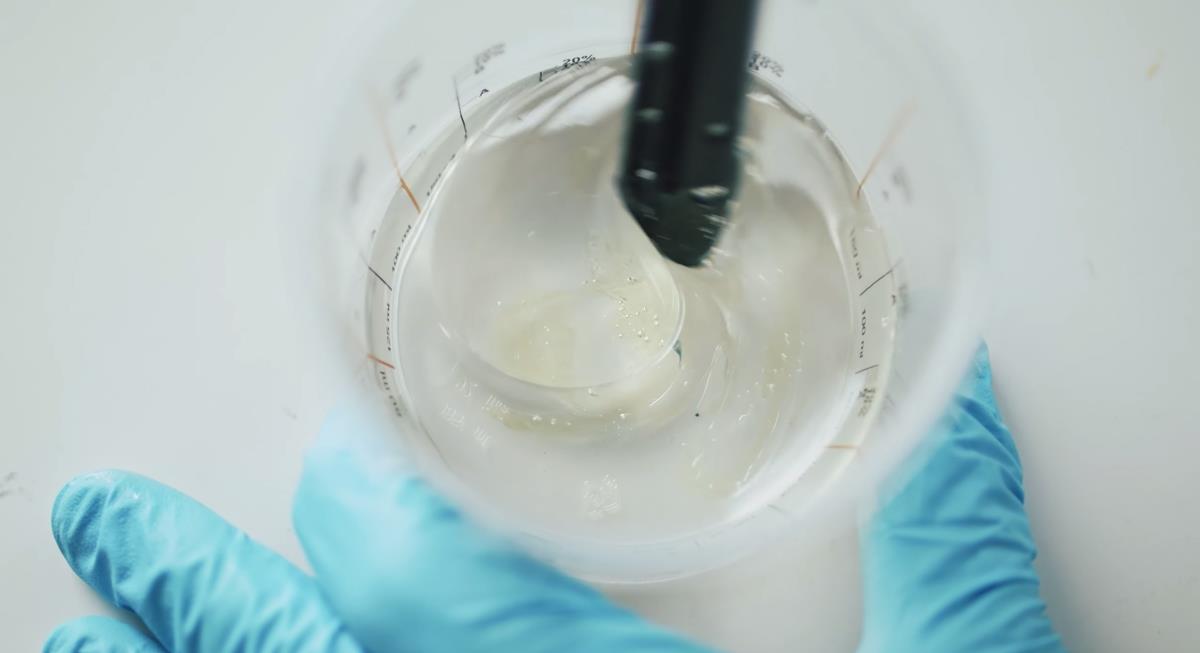
The two-component system most commonly used in the workshop consists of three components: a component A (lacquer, primer filler, putty etc.), a component B (hardener) and a thinner (acrylic, nitro, epoxy etc.). Sometimes, however, you may need to add some extra to improve a particular property. We should be aware that the proper dosage (volume or weight) of each component is very important. Failure to follow the technical instructions and mistakes during preparation of the mixture will certainly be evident in the final result. By strictly following the technical instructions for the use of materials, you avoid the unnecessary cost of repairs and customer dissatisfaction.
COMMON MISTAKES IN THE WORKSHOP
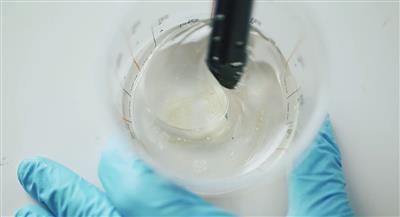
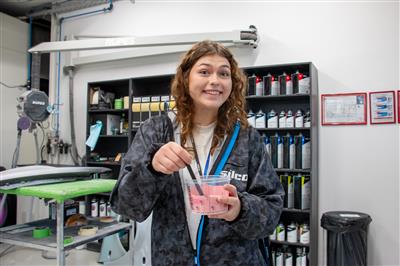
The mistakes that happen in workshops vary greatly, but even mistakes due to incorrect dosing of the individual components are most often the cause of a poor end result. DOSING THE MATERIALS WITH A MEASURING ROD
If you do not use measuring cups or scales at work, but instead use measuring rods for mixing, you should also use containers whose diameter does not change along the height. If you use containers that vary along the height, the dosage of the individual components (components A or B) will always be incorrect.
USING THE WRONG HARDENER
Workshops often have shelves containing materials from several suppliers or manufacturers of car painting materials. An error that can often result from this is the use of the wrong hardeners in the preparation of a two-component system. Often, not only is the wrong hardener from the same manufacturer used, but it can also occur that another manufacturer's hardener is used. At first glance, combining different materials yields results. But are you sure you can trust the result of two products that have never been tested in this combination? Are you sure the result will be the same as yesterday and will be the same after a year? The fact is that each manufacturer guarantees for its own product and for the chemical formula that defines the product.
The chemical formula for the reaction of all components (e.g., varnish, hardener, thinner and any additives) is tested and confirmed in order to achieve optimal results.
Without question, it is not possible to achieve the same results using a different hardener. The end result will not be optimal. Worse still, the result can be catastrophic, the customer will complain about the service, there will be additional unnecessary costs and loss of turnover.
DO YOU USE A STANDARD OR FAST HARDENER?
With the arrival of summer, many people are taken by surprise by the high temperatures. The materials dry faster, the results may even be different to a week ago, when the atmosphere was not as warm. The use of slower hardeners and slower thinners is recommended. Using the right combination of hardener and thinner is the right solution for seasonal temperature changes.
Example: The fast hardener for primer filler, which can be used most of the time, is not suitable in the summer.
At temperatures near 30°C or higher, it is recommended to replace the fast hardener with a standard one. The sanding will be easier the next day, the sandpaper will not stick and you will reach the end result faster.
USE OF NITRO THINNER IN TWO-COMPONENTSYSTEMS
Nitro thinner, which is primarily intended for cleaning purposes, is often used in workshops for thinning in two-component systems. Such use leads to poor results, with the most common causes being suspected to lie elsewhere – in the core product; lacquer or primer filler. An example of the improper use that we often see in the field as manufacturers is thinning primer fillers with nitro thinner. Most often the result is poor drying, poor sanding with sandpaper, settling etc. The use of nitro thinner is recommended for cleaning only and not for thinning varnishes, primer fillers or other two-component coatings. Be aware that the use of a suitable thinner is just as important as a primer filler or hardener.
DID YOU KNOW?
Nitro thinners on the market vary greatly, because the method of their production is often unknown - they are actually distillates, namely by-products of pharmaceutical or other chemical plants. Nitro thinners can also easily contain water and alcohol, which in turn results in poorer results in a car paint shop. Alcohols and water in a two-component system react with the hardener (isocyanate) and cause improper crosslinking, specifically through altering the chain of chemical reactions.
If you are unsure whether you are using the product properly, you can find the most appropriate guidance on the packaging itself or on www.silco.si.




















![[25 godina Silco] Sve je započelo s jednom idejom](/Data/File/@W400/blog-2024-12-barvanje-pozimi.png "[25 godina Silco] Sve je započelo s jednom idejom")